
LED Lighting Retrofit for Shops & Warehouses: What to Know
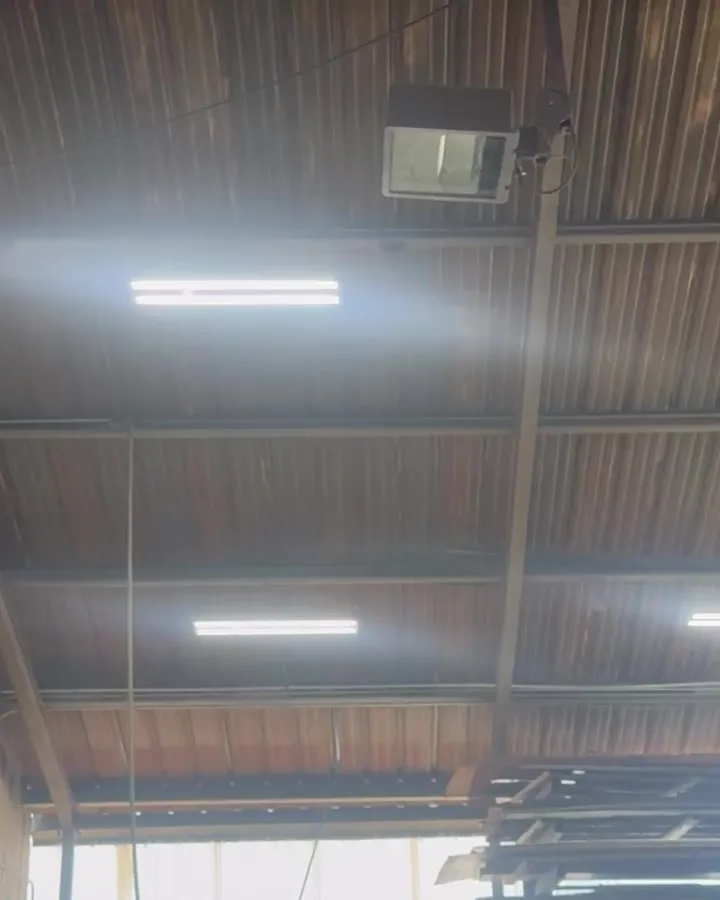
If your shop or warehouse is still lit by old halogen or metal-halide fixtures, you know the routine: lights that hum and take their time coming up, yellowish pools of light with dim gaps in between, and a lift that comes out every time another lamp burns out over the floor. Switching to LED is one of the most practical upgrades a working building can make. Below we walk through a real retrofit we did in a metal shop, then cover the decisions that go into any LED lighting retrofit, so you know what to ask before anyone climbs a ladder.
A real job: 400-watt halogens out, LED in
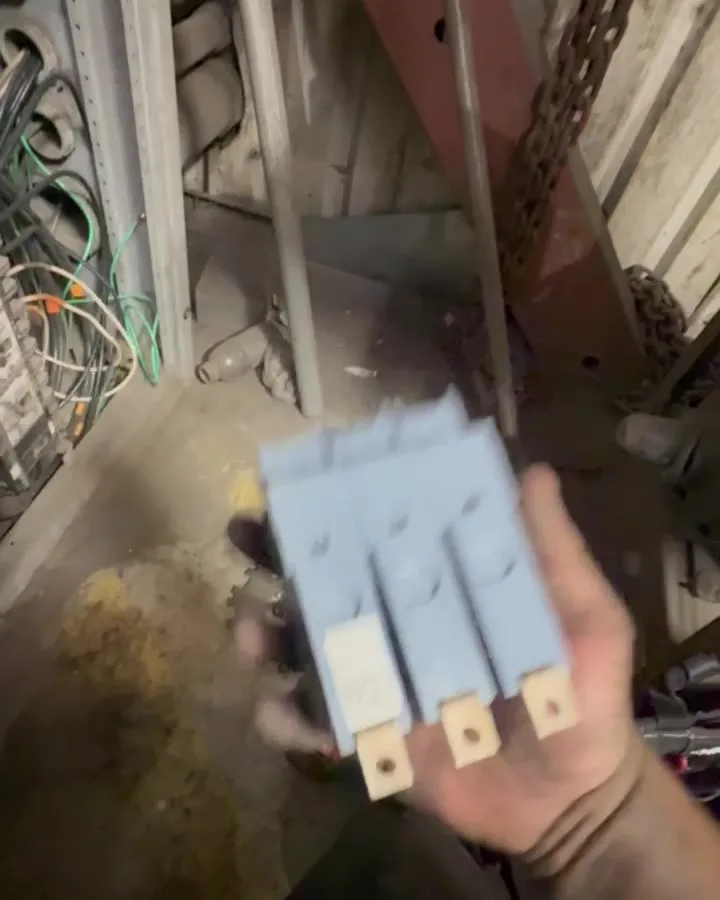
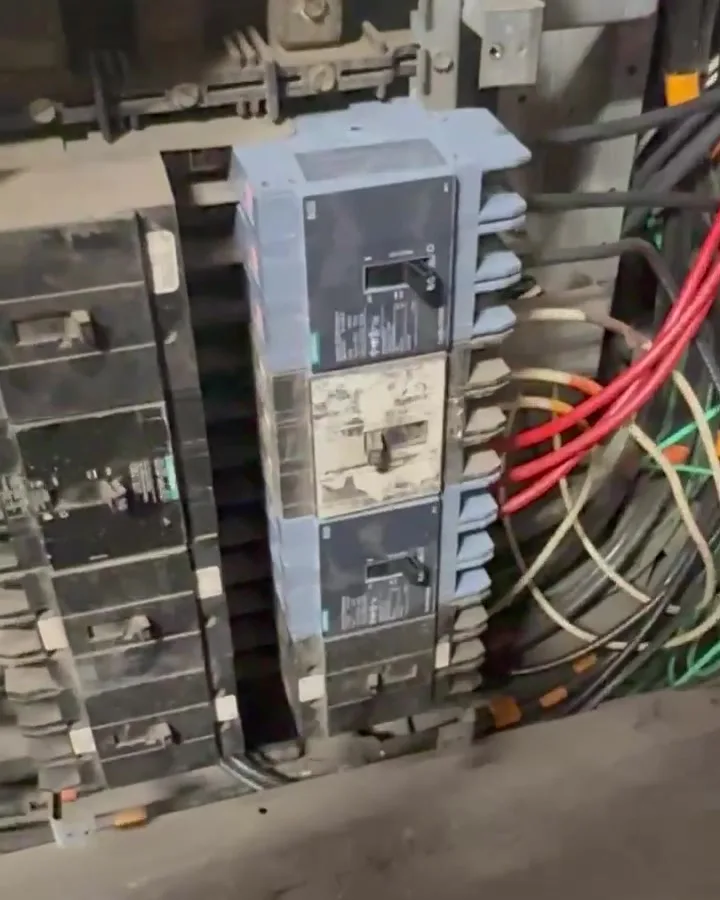
A working metal shop was still lit by old 400-watt halogen fixtures. We swapped them for new LED fixtures on the shop’s existing 277-volt lighting circuits and landed new breakers in the panel to feed them. Those circuits run at 277 volts, more than double the 120 volts at a household outlet, which is one reason this is electrician work and not a weekend project.
The result: brighter, whiter, even light over the welders, the forklift lanes and the layout tables, at a fraction of the wattage the halogens drew. You can watch clips from that job, the shop under the new lights and then the breaker and panel work behind them, on our projects page.
Why old halogen and metal-halide lights cost so much to run
Older high-bay and flood fixtures cost you in more ways than the power bill.
- Wattage, all shift long. A 400-watt fixture draws its full rating every hour it’s on, and shop lights tend to stay on from open to close. Multiply that by every fixture in the building and it adds up.
- Heat. Most of the power going into a halogen lamp comes out as heat, not light. In a metal-roofed building in an Antelope Valley summer, the last thing you need is a ceiling full of heaters.
- Warm-up and restrike. Metal-halide lamps take several minutes to reach full brightness, and after a power blip they have to cool down before they’ll relight. So people leave them on all day rather than wait.
- Fading light. Metal-halide lamps dim and drift in color as they age, so the shop gets darker and more uneven a little at a time, until a lamp finally quits.
- Lamp changes at height. Every failed lamp or ballast means a lift or a tall ladder, moving equipment out of the way, and someone off the floor while it gets done.
What you gain with LED
LED fixtures turn most of that around. They put out the same or more light for far less power, they come on instantly at full brightness, and they run much cooler. They also last far longer than halogen or metal-halide lamps, so the lift stays parked and the maintenance callouts mostly disappear.
The light itself is better for work. Whiter, more even light makes it easier to read a tape, see a weld bead, check paint and finish, and spot a forklift coming down an aisle. And because LEDs don’t need to warm up, you can actually switch off the areas you’re not using, something that never made sense with metal-halide.
What it’s worth in dollars depends on your fixture count, hours and utility rates, so we give you an honest picture for your building instead of a stock savings number.
The decisions in a retrofit
New fixtures or retrofit kits?
There are two main ways to go:
- New fixtures. The old fixture comes down and a complete LED fixture, with its housing, driver and optics designed to work together, goes up in its place. It’s usually the best choice when the old housings are corroded, heat-baked, or hung in the wrong spots for how you use the space now. That’s what the metal shop got.
- Retrofit kits. An LED kit goes inside the existing housing. Many kits use a ballast bypass: the old ballast (the part that powers a metal-halide or fluorescent lamp) is removed and the fixture is rewired so power feeds the LED directly. That takes the ballast out as a future failure point, but it’s real rewiring inside the fixture, and the fixture should be labeled so the next person knows it’s been converted. Kits can make sense when the housings are in good shape and easy to reach.
Some “plug-and-play” LED lamps run on the old ballast instead. They’re quick, but you keep the ballast, and its eventual failure, in the circuit.
Match the voltage you already have
Before anything is ordered, we check what voltage your lighting circuits actually run at. At the metal shop it was 277 volts, so every new fixture had to be rated for it. A fixture or driver that isn’t rated for your circuit’s voltage can be damaged the moment it’s powered, so this gets checked at the panel, not guessed from the old fixture.
We also look at the circuits themselves, meaning the breakers, the wiring and the labeling, and decide what can be reused. At the metal shop, we landed new breakers in the panel to feed the new fixtures.
Light levels and placement over the work
A retrofit is a chance to put light where the work actually happens, not just where the old fixtures happened to hang.
- Workstations first. Welding stations, layout tables, machines and benches need the most even, shadow-free light. A fixture over the bench, rather than off to one side, cuts down on the shadow your own body throws.
- Aisles and lanes. In a warehouse with racking, fixtures that run along the aisles light the shelves and the floor instead of the tops of the racks. Forklift lanes need steady light end to end, with no dark gaps between fixtures.
- Ceiling height and glare. A high ceiling needs a different spread of light than a low shop bay, and nobody wants a bright fixture shining straight into their eyes from a mezzanine or a loading dock.
- One color throughout. Pick one shade of white and keep it consistent, so the shop doesn’t look patched together.
In a warehouse, lighting is often one part of a bigger picture that includes capacity, equipment circuits and yard lighting; our warehouse and industrial electrical page covers the rest.
Controls: zones, photocells and timers
Good controls are what turn new fixtures into lights that only run when they should.
- Switching by zone. Splitting the shop into zones lets you light the bays you’re working in and leave the rest dark. That’s practical now that LEDs come on instantly.
- Occupancy sensors. Storage rooms, back aisles and restrooms can switch on when someone walks in and off after they leave.
- Photocells and timers outside. Wall packs, yard lights and parking-lot lights can run on a photocell, which turns them on at dusk and off at dawn, on a timer, or on both together: on at dusk, off a set time after close.
We set the controls to match how your business actually runs, and label everything so your crew knows which switch does what.
Scheduling the work around your business
Nobody can afford to shut a shop down for a lighting job. We walk the building first, after dark too if exterior lights are part of it, then plan the work circuit by circuit and zone by zone so only one area is dark at a time. Work can happen after close, early in the morning or on weekends. Because we’re owner-operated, fully mobile and available 24/7, we fit around your shifts instead of the other way around. Old fixtures get hauled off, and every zone is tested before we call it done.
Our commercial lighting and LED retrofits page has more on how we run these jobs. We do electrical work in metal shops, auto shops and showrooms, and we cover businesses from Lancaster and Palmdale out to Victorville and the rest of the High Desert.
When to call an electrician
There’s plenty you can do from the floor before you call. Count your fixtures, note the wattage on any labels you can read without climbing, mark the areas that are too dark or slow to come on, and keep track of how often lamps get changed. That list makes for a fast, accurate estimate.
The work itself is not a DIY job. Ballast bypass wiring, anything inside the panel, new breakers and new circuits, especially on 277-volt lighting, belong with a licensed electrician. When you’re ready, send us a few details about your building and we’ll set up a free estimate.
Common questions
Can new LED fixtures run on our shop's existing 277-volt lighting circuits?
Usually, as long as the fixtures are rated for 277 volts, and many commercial LED fixtures are. On the metal-shop job in this post, the new LEDs went on the shop's existing 277-volt lighting circuits, with new breakers landed in the panel to feed them. We confirm your voltage at the panel before anything is ordered.
Should we replace the whole fixture or use an LED retrofit kit?
It depends on the condition of what's up there now. If the housings are sound and easy to reach, a retrofit kit can reuse them; if they're corroded, heat-damaged or in the wrong spots, new fixtures are usually the better buy. We look at your fixtures and tell you honestly which way makes sense.
Will we have to close while the lights are being replaced?
Usually not. We plan the work zone by zone so only one area is dark at a time, and we can work after close, early in the morning or on weekends. We set the schedule around your shifts before we start.
Can we convert part of the building now and the rest later?
Yes. Many owners start with the areas that run the longest or have the worst light, like the main work floor, and do storage areas or the exterior later. We keep the color of the light and the controls consistent so the phases match when it's all done.
Can our own maintenance crew swap the fixtures to LED?
Changing a lamp in a working fixture is routine maintenance, but bypassing ballasts, rewiring fixtures and adding breakers is electrical work. Shop lighting circuits like the 277-volt ones in this post carry more than double household voltage, and the work happens at height. That part belongs with a licensed electrician.